
Introduction
This guide provides an in-depth overview of the six primary categories of psychoactive drugs, explaining their mechanisms, uses, and societal impacts. Designed for readers seeking comprehensive knowledge, it clarifies how these substances influence the brain and behavior, their medical applications, and risks associated with recreational use. Whether you're a student, healthcare professional, or simply curious, this resource aims to enhance your understanding of these complex substances.
Defining Psychoactive Drugs and Their Importance
Psychoactive drugs are substances that alter brain function, resulting in changes to perception, mood, consciousness, or behavior. Unlike non-psychoactive substances that don’t impact mental states, these drugs modify neurotransmitter activity to produce specific psychological effects. They are used across contexts—medically for pain or anxiety, recreationally for pleasure, or religiously in rituals. Due to their profound impact on mental states, understanding psychoactive drugs is essential for informed decision-making, health management, and policy formulation. Misuse carries risks like addiction, health deterioration, and societal harm.
The Six Main Psychoactive Drugs — In-Depth Overview
Alcohol (Ethyl Alcohol)
Alcohol is a widely consumed depressant that enhances GABA receptor activity in the brain, leading to relaxation, lowered inhibitions, and impaired judgment. Its social acceptance varies globally, but the effects include euphoria, decreased anxiety, and drowsiness. Chronic overuse can cause liver damage, addiction, and accidents stemming from impaired motor skills. While legal in most countries, moderation is key to minimizing health risks.
Cannabis (Marijuana)
CBD and THC are active compounds in cannabis that interact with cannabinoid receptors in the brain, producing effects like euphoria, heightened sensory perception, and relaxation. Cannabis is used recreationally and medically for pain management, nausea, and inflammation. Its impact varies based on dose, strain, and user expectations, with possible psychological side effects such as paranoia or anxiety at high doses. Legal status ranges from fully legal to illegal depending on jurisdiction.
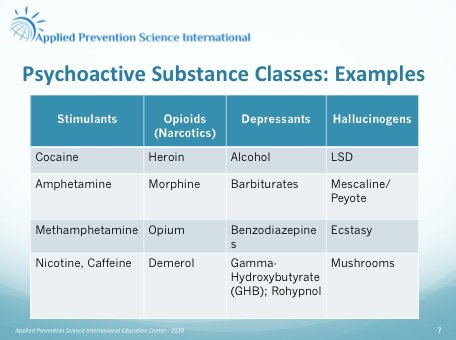
Opioids (e.g., Fentanyl, Heroin, Morphine, Methadone)
Opioids activate mu-opioid receptors, delivering potent pain relief and euphoria. Medically prescribed opioids manage severe pain, but recreational misuse carries high addiction, overdose, and respiratory depression risks. Illicit opioids like heroin and fentanyl pose particular danger due to potency and contamination risks. Regulation is strict due to their high potential for harm, but misuse continues to be a feel free drink primary cause of opioid-related health crises globally.
Stimulants (e.g., Cocaine, Amphetamine, Methamphetamine)
Stimulants increase activity of neurotransmitters like dopamine and norepinephrine, resulting in heightened alertness, energy, and euphoria. Used to combat fatigue, increase focus, or achieve recreational highs, these drugs often cause rapid heartbeat, hypertension, and hyperactivity. Their high addictive potential and association with cardiovascular issues necessitate careful management and awareness of mental health risks.
Hallucinogens (e.g., LSD, Psilocybin, Mescaline)
Hallucinogens primarily activate serotonin receptors, leading to perceptual distortions, vivid visual and auditory hallucinations, and altered thought processes. Used often in spiritual or recreational contexts, effects depend on dose, environment, and user expectations. While they do not typically cause physical dependence, their psychological effects can be unpredictable, sometimes resulting in distress or "bad trips."
Sedatives and Depressants (e.g., Benzodiazepines, GHB)
These substances Buy LSD Online enhance GABA activity to produce calming, anxiolytic, and sedative effects. Prescribed for anxiety, insomnia, or seizure disorders, they are also misused recreationally—especially in combination with alcohol or other depressants. Risks include drowsiness, respiratory depression, and dependence. Their calming properties differentiate them from stimulants but heighten overdose risk when combined with other substances.
Regulatory Frameworks Governing Psychoactive Drugs
International treaties, such as the Single Convention on Narcotic Drugs, regulate many psychoactive substances, influencing national laws. These laws range from full 4 aco dmt powder prohibition to controlled medicinal use or decriminalization. Legal status impacts access, purity, and safety, often driving high-demand substances into illicit markets where the risk of adulteration and overdose increases. Understanding regulation helps contextualize societal responses and harm reduction strategies.
Medical vs. Recreational Use — Risks and Benefits
Many 5 meo dmt psychoactive drugs serve legitimate medical purposes, like opioids for pain relief or benzodiazepines for anxiety. Medical use emphasizes dosage control and professional supervision to maximize benefits and minimize harm. Conversely, recreational use involves unregulated doses and purity, increasing risks of addiction, adverse reactions, or overdose. The distinction can blur as some medications are diverted for non-medical use, highlighting the importance of regulation and education.
The Five Hard Drugs and Their Relationship to Psychoactive Categories
The term “hard drugs” typically refers to substances with high addiction potential and serious health risks, such as heroin, crack cocaine, and methamphetamine. Many hard drugs are inherently psychoactive because they influence brain chemistry to produce their effects. For instance, heroin (an opioid) and methamphetamine (a stimulant) are classified as hard drugs due to their potency, rapid onset, and potential for dependency and severe health consequences. The classification depends on factors like toxicity, addiction severity, and societal harm.
Recreational Drug Use and Societal Impact
Recreational use involves consuming psychoactive drugs for pleasure, altered states, or social reasons outside of medical supervision. puff boyz nn dmt 5ml400mg Such use ranges from casual sipping of alcohol at social events to illicit consumption of substances like cocaine or meth. The societal impact includes health burdens, criminal law enforcement, and economic costs. While some drugs, like cannabis, are increasingly legalized, misuse of others can lead to significant public health challenges, addiction, and violence associated with illicit markets.
Honest Tradeoffs and No Clear Winner
Determining the safest or most harmful psychoactive drug depends on various factors, including individual health, usage context, and legal environment. Regulation can reduce dangers by ensuring purity and dosage but may unintentionally increase accessibility and misuse. Conversely, prohibition may limit availability but foster illicit markets and adulteration. Recognizing that all drugs carry risks reinforces the necessity for balanced policies emphasizing harm reduction, education, and regulated access where appropriate.
Common Questions and Clarifications
- Not all psychoactive drugs are equally addictive; for example, hallucinogens generally have lower addiction potential than opioids.
- Recreational use involves non-medical consumption aimed at pleasure or altered states, while medical use prescribes substances for specific health conditions under supervision.
- Routes of administration such as oral ingestion, injection, or inhalation significantly influence onset, intensity, and risks, including overdose or infections.
- The legal status of a substance impacts its availability, purity, and safety, with illegal drugs often adulterated, increasing dangers.
Expert Recommendations and Situational Guidelines
Adopting harm reduction strategies—such as supervised consumption, drug checking services, and education—is essential for reducing health risks. Safe practices include moderation, understanding drug purity, and avoiding mixing substances. Policymakers should create balanced frameworks that regulate substances to protect public health while respecting individual rights. Tailoring approaches based on specific drugs, user circumstances, and societal needs enhances overall safety and well-being.
Verdict
The six primary categories of psychoactive drugs are alcohol, cannabis, opioids, stimulants, hallucinogens, and sedatives/depressants. Each category exhibits unique pharmacological effects, societal roles, and risks. They differ significantly in their potential for addiction, physical health impact, and legal regulation. A nuanced understanding of these purecybin dmt carts differences informs responsible use, effective policies, and harm reduction efforts.
Conclusion
Understanding psychoactive drugs involves recognizing their complex effects on mental and physical health, societal functions, and individual choices. They are powerful substances with varied applications and risks. Developing informed perspectives, emphasizing harm reduction, and fostering ongoing education are crucial for minimizing adverse outcomes. Responsible use, awareness of legal frameworks, and continuous learning support healthier interactions with these substances and informed policy decisions.
Summary
This comprehensive overview clarifies the six main categories of psychoactive drugs, their mechanisms, uses, and societal impacts. It highlights the importance of regulation, harm reduction, and informed decision-making. Recognizing the distinctions among these substances enables better risk management and supports effective public health strategies.
FAQ
What are the six main categories of psychoactive drugs?
The six categories are alcohol, cannabis, opioids, stimulants, hallucinogens, and sedatives/depressants.
Are all psychoactive drugs equally addictive?
No, addiction potential varies; opioids and stimulants tend to have higher risks, while hallucinogens generally have lower addiction potential.
What distinguishes recreational from medical drug use?
Recreational use involves non-medical consumption for pleasure or altered states, often without supervision, whereas medical use involves prescribed doses under healthcare supervision aimed at treating specific conditions.
How do routes of administration affect drug effects?
Methods like injection, inhalation, or oral ingestion influence how quickly and intensely effects occur, affecting overdose risks and infection potential.
Why does legal status matter?
Legal status impacts drug purity, availability, and safety, with illegal drugs often being adulterated and riskier to use.