
Background & Context
This guide explores the combined use of LSD and psilocybin mushrooms, detailing their effects, safety considerations, and how to make informed decisions. It is intended for individuals with some experience with psychedelics who are considering or curious about simultaneous use. You will gain a clear understanding of how these substances interact, their unique experiences, and strategies to reduce risks.
While both are potent psychedelics with distinct cultural and physiological profiles, combining them can intensify or alter effects in unpredictable ways. Understanding these dynamics is essential for safety and optimizing the experience.
For more on the differences between these substances, see magic dmt vape cartridges mushrooms vs LSD.
Pharmacological Foundations
Both LSD and psilocybin activate serotonin 5-HT2A receptors, underlying Buy LSD Online their hallucinogenic properties.
- LSD: Acts as a full agonist at 5-HT2A receptors with high potency. Its effects onset within 30-60 minutes and last for 8-12 hours. LSD’s profile involves minimal impact on serotonin reuptake, focusing primarily on receptor activation.
- Psilocybin/Psilocin: Psilocybin converts to psilocin, which binds to 5-HT2A receptors similarly. Its onset occurs in 20-40 minutes with effects lasting about 4-6 hours. Psilocin has weak serotonergic transporter inhibition, emphasizing receptor activation over reuptake effects.
Interaction Mechanics When Combining LSD and Mushrooms
Simultaneous use leads to overlapping receptor activity, often producing amplified, complex effects. Since both substances target the 5-HT2A receptor, their combination can result in synergistic intensification or unpredictable perceptual changes.
Pharmacodynamically, this synergy may enhance visual hallucinations, emotional fluctuations, and sensory distortions. The combination also impacts neuroplasticity, which has implications for both therapeutic benefits and overstimulation risks.
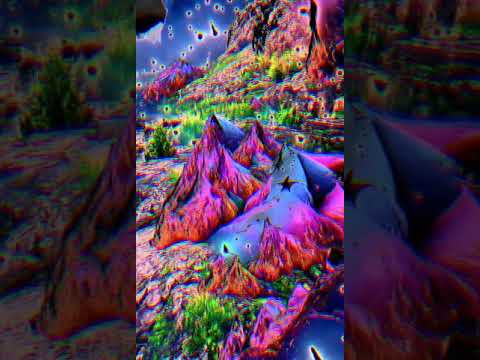
Typically, effects include more vivid visuals—LSD visuals tend to be sharp and crystalline, whereas mushroom visuals often appear swirling and flowing. Combining these effects creates layered, intricate hallucinations that can be challenging to interpret or control.
Cross-tolerance is common: repeated use of either substance can diminish effects over time. Increasing doses to compensate raises safety concerns and heightens the risk of adverse reactions, especially in sensitive individuals.
The pharmacodynamic interaction is complex, with effects not simply additive. Factors such as dose ratio, timing, and individual neurochemistry heavily influence the experience.
Effects and Subjective Experiences
Individual Effects of LSD vs. Mushrooms
- LSD: Generates sharp geometric visuals, vivid color enhancements, and detailed hallucinations. Sensory perception heightens, often accompanied by intense emotional and cognitive shifts.
- Mushrooms: Produce organic, flowing visual patterns, softer hallucinations, and nature-related imagery. Users often report emotional or spiritual insights along with visuals that seem more natural or fluid.
Combined Use Experiences
Using both substances simultaneously often results in more complex visuals—geometric patterns layered with flowing, organic shapes. Auditory effects may deepen, and emotional states fluctuate more intensely. Many users report a heightened sense of unity or profound insight, but some experience increased confusion or sensory overload.
Visual differences remain notable: LSD visuals tend to be more crystalline and sharp, while mushrooms evoke swirling, flowing imagery. Their combination can create a deeply layered experience that is both enriching and challenging to interpret.
Cross-tolerance between LSD and mushrooms can lead to slightly diminished feel free drink effects with repeated use. However, attempting to compensate with higher doses increases the danger of adverse reactions, making caution essential.
Risks, Safety, and Misconceptions
While some believe combining psychedelics enhances safety or benefits, this significantly underestimates the risks. The interaction can amplify positive effects but also escalate negative experiences unpredictably.
Physical risks include nausea, tremors (especially with certain medications like reserpine), and, rarely, seizures. Psychological risks include anxiety, paranoia, panic attacks, and exacerbation of pre-existing mental health issues.
Combining LSD with mushrooms increases the likelihood of sensory and emotional overwhelm, impairing your ability to manage the experience safely. Set and setting play critical roles in mitigating these risks.
Long-term effects are not well documented but may involve persistent perceptual disturbances (“flashbacks”) or mood impairments, especially if high doses are involved repeatedly.
Myths such as “more hallucinations are better” or “combination is inherently safe” can lead to careless behaviors. Accurate dosing, awareness of personal limits, and a focus on harm reduction are crucial.
Deep Dive into Neurochemical and Long-Term Effects
Both substances induce significant serotonin receptor activity, fostering neuroplasticity. While this may support therapeutic objectives, excessive activation can risk neurotoxic effects or neural disorganization if misused.
Repeated or high-dose combinations may influence long-term mental health, potentially causing lasting perceptual or mood disturbances. Case reports highlight visual disturbances or emotional effects persisting after intense experiences, emphasizing the importance of cautious dosing and self-awareness.
Popular Misconceptions and Clarifications
- “More is better”: Increasing doses or combining drugs does not guarantee a better experience; it often elevates adverse reactions and reduces predictability.
- “Safety in combinations”: Combining psychedelics is not inherently safe—risk levels depend on dose, individual health, and environment.
- “Attenuation vs. potentiation”: Efforts to reduce effects with antagonists or other substances can backfire, especially with synergistic interactions, leading to unpredictable outcomes.
Practical Guidance for Users
| Guideline | Rationale / Explanation |
|---|---|
| Start with low doses | Reduces the risk of overwhelming effects and allows you to gauge your individual response to the combination. |
| Assess potency and quality | Knowing the strength of your supply helps prevent accidental 4 aco dmt powder overdose or excessively intense experiences. |
| Use in a safe environment with a trip sitter | A sober, experienced observer can help manage adverse reactions and provide emotional support during challenging moments. |
| Avoid combining if inexperienced or with contraindications | Inexperience increases the risk of panic, confusion, or physical reactions, especially in uncontrolled settings. |
| Recognize early signs of distress | Address anxiety or panic promptly to prevent escalation into dangerous behaviors or lasting psychological effects. |
| Prioritize set and setting | A relaxed environment with familiar people helps manage unexpected reactions and enhances safety. |
When and Who Should Avoid Combining
- Individuals with a history of psychiatric disorders, psychosis, or bipolar disorder should avoid combining psychedelics due to a higher risk of exacerbation.
- People taking serotonergic medications, such as lithium, TCAs (like imipramine or clomipramine), or certain antidepressants, should refrain to prevent dangerous interactions like serotonin syndrome or seizures.
- Vulnerable groups—including adolescents or those with unstable mental health—face increased risks of long-lasting adverse effects.
- Unfamiliar environments, stressful situations, or a lack of support increase the risks of injury or psychological harm.
Making Informed Decisions: Do the Benefits Outweigh the Risks?
While some seek spiritual insights, emotional breakthroughs, or therapeutic benefits, these must be balanced against significant risks. Combining LSD and psilocybin reliably enhances effects but also introduces unpredictability and safety concerns.
In casual recreational 5 meo dmt use, unpreparedness can lead to negative outcomes. Starkly, controlled, responsible use with low doses, proper setting, and awareness of personal limits reduces dangers. For therapeutic or medicinal purposes, professional supervision is strongly recommended.
Evaluate your mental health, environment, and intentions carefully. Prioritize harm reduction and always err on the side of caution.
Summary
The combined use of LSD and psilocybin mushrooms can produce powerful, layered psychedelic experiences, but it also significantly increases risks due to unpredictable effects and potential long-term impact. Understanding pharmacology, effects, and safety strategies is essential for responsible exploration. Start with low doses in safe environments, be aware of individual health considerations, and seek professional guidance when appropriate. Prioritizing harm reduction ensures safer, more insightful journeys into these potent substances.
Related Guides
- LSD, DMT, and Magic Mushrooms: Understanding Psychedelic Interactions
- Magic Mushrooms vs LSD: Key Differences
- DMT, LSD, and Mushrooms: Navigating Powerful Psychedelic Experiences
- MDMA and Magic Mushrooms: Combining Empathy and Vision
- LSD Dosing Guide: Safe Practices and Considerations
FAQ
Is combining LSD and mushrooms safe for beginners?
No. Combining these substances is complex and unpredictable, especially for those unfamiliar with their effects. Beginners should prioritize learning each substance separately and understanding their responses before considering combination use.
How can I reduce the risks of combining psychedelics?
Use low doses, ensure a safe environment, avoid mixing if you have mental health vulnerabilities, and consider having a sober trip sitter. Familiarity with your personal thresholds and setting plays a crucial role in harm reduction.
What are signs of a bad reaction to combined psychedelics?
Signs include severe anxiety, panic, confusion, paranoia, physical distress, or difficulty returning to a baseline state. Seek help immediately if these symptoms occur.
Can combining LSD and mushrooms lead to long-term mental health issues?
Repeated high-dose use, especially in uncontrolled settings, may increase the risk of persistent perceptual disturbances or mood disorders. Always approach combination use with caution and self-awareness.
Should experienced users always avoid mixing psychedelics?
Not necessarily, but even experienced users should understand the heightened risks and ensure they have proper knowledge, environment, and support systems in place.