
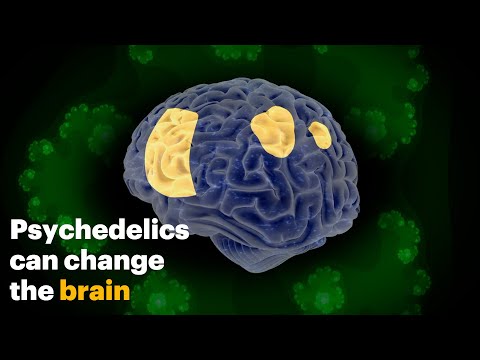
This guide provides a detailed comparison of LSD and DMT, exploring their pharmacology, effects, therapeutic potential, safety considerations, and practical use cases. Whether you are contemplating these substances for mental health, spiritual growth, or personal curiosity, understanding their distinctions helps make informed decisions. Designed for individuals seeking comprehensive insights, this article synthesizes buy lsd vial scientific research, historical context, and real-world considerations to clarify which psychedelic may align best with your goals and circumstances.
Background and Context of Psychedelic Use
Historically, LSD and DMT have occupied distinct roles in scientific inquiry and cultural practices. LSD, synthesized in the 1930s, gained prominence during the 1960s counterculture and was extensively studied for psychiatric applications before legal restrictions limited research. DMT, a naturally occurring compound found in numerous plants and animals, has been used traditionally in indigenous spiritual rituals, notably as part of ayahuasca brews. Only recently have scientific investigations begun to examine their potential therapeutic benefits. However, their Schedule 1 status under many legal systems restricts access, research, and clinical application, delaying a fuller understanding of their risks and benefits.
Chemical and Pharmacological Distinctions
Both LSD and DMT primarily target serotonergic pathways, specifically 5-HT2A receptors, but differ considerably in their pharmacokinetics and subjective effects.
| Parameter | LSD | DMT |
|---|---|---|
| Origin | Semi-synthetic | Naturally occurring |
| Duration | 8-12 hours | 15-30 minutes (smoked/vaporized) |
| Onset | 30-60 minutes | Immediate (when vaporized) |
| Nature of experience | Extended, introspective, with visual distortions | Brief, intense, often with vivid hallucinations and spiritual visions |
LSD’s prolonged effects allow for sustained reflection and therapeutic processing, while DMT’s rapid onset produces immediate, profound spiritual dmt vape cartridges experiences that often feel transformative in a short timeframe.
Psychological Effects and Experience Depth
LSD typically induces visual distortions, emotional shifts, and feelings of connectedness. Its effects unfold gradually, providing space for contemplation and insight over several hours. In contrast, DMT offers a burst of vivid hallucinations and visions characterized as confrontational, transcendent, or ego-dissolving. Many users report facing their subconscious or spiritual entities directly during DMT experiences. The rapid, intense nature of DMT trips makes them suitable for quick breakthroughs, whereas LSD supports prolonged introspection and creative exploration.
Therapeutic Potential and Evidence
Current research suggests LSD may aid in treating depression, anxiety, 5 meo dmt and addiction by enhancing neuroplasticity and emotional processing during extended sessions. Clinical trials indicate it can facilitate lasting psychological change when paired with therapy. DMT’s ability to induce mystical states shows promise for reducing existential distress, particularly in end-of-life care, by promoting feelings of interconnectedness and spiritual acceptance. Its short duration allows for rapid therapeutic insights, making it an attractive candidate for treating severe conditions like treatment-resistant depression. Nonetheless, robust clinical evidence remains limited, and further studies are needed to establish safety and efficacy definitively.
Safety Profiles and Risks
Both substances carry inherent risks, especially if used outside professional settings. LSD can provoke bad trips, anxiety, or panic attacks, particularly in individuals predisposed to psychosis or with undiagnosed mental health issues. Long-term neurotoxicity remains unconfirmed but warrants caution. DMT’s intense, sudden effects can lead to sensory overload, disorientation, or emotional distress. Its rapid onset may increase behavioral risks during peak effects. Animal studies suggest potential neurotoxicity, but human data are inconclusive. Both substances can trigger psychosis or exacerbate existing mental health conditions like schizophrenia. Harm reduction practices include careful dosing, ensuring a safe environment, and seeking professional guidance to support safe use and experiential integration.
Legal and Societal Considerations
Legal restrictions significantly influence access, research, and safe use of LSD and DMT. Despite recent movements toward decriminalization and medical research, their classification as Schedule 1 substances remains a barrier. This status limits the availability of quality-controlled substances and professional support. Self-administration poses legal risks and reduces safety measures, increasing the likelihood of adverse events. Progress toward medical approval, especially for DMT-based therapies, is ongoing but slow, constrained by regulatory frameworks designed to prioritize safety and prevent misuse.
Who Each Substance Is Best Suited For
LSD’s longer duration and gradual onset make it well-suited for individuals seeking extended introspection, therapeutic sessions, or creative exploration. DMT appeals to those interested in rapid, profound spiritual or mystical experiences, particularly when time is limited or quick breakthroughs are desired. Your personal objectives—mental health improvement, spiritual growth, or curiosity—should guide your choice. Consider your setting, mental readiness, and access to support resources. For additional insights into other psychedelics, explore mushrooms and their unique effects.
Real-World Use Cases and Scenarios
In clinical settings, LSD’s prolonged effects facilitate therapy by enabling ongoing reflection and emotional processing. Its structured journey supports mental health treatment and creative work. DMT, often used in ceremonial or exploratory contexts, provides rapid spiritual breakthroughs and ego dissolution, making it suited for those seeking immediate transcendent insights. Recreational use of DMT is typically impulsive due to its intensity, while LSD’s gradual onset allows for safer, more predictable exploration. Safety depends heavily on setting, intention, and preparedness.
Honest Tradeoffs and Limitations
Both psychedelics offer promising benefits but lack comprehensive safety data. LSD’s extended effects promote sustained insight, though they require patience and mental stability. DMT’s brief but intense experience can lead to rapid spiritual insights but may be overwhelming or destabilizing without proper support. Neither guarantees positive outcomes; subjective experience depends on set, setting, and individual predisposition. The decision involves balancing the desire for depth and duration against safety and manageability.
Common Questions and Misconceptions
Does LSD or DMT cause permanent brain damage?
Current evidence does not confirm neurotoxicity in humans, but long-term effects are still under investigation. Reliable data are limited, so caution is advised.
Are these substances addictive?
Both LSD and DMT have low potential for physical dependence, but psychological reliance can develop in some individuals. Responsible use and awareness are essential.
Can they trigger psychosis?
In vulnerable individuals or those with underlying mental health conditions, these substances can precipitate transient psychotic episodes or exacerbate existing issues. Proper screening and caution are crucial.
Are these drugs safe for therapeutic use?
When administered in controlled, professional settings, they have shown potential benefits. Unsupervised use carries significant risks, emphasizing the importance of proper guidance and environment.
Making an Informed Choice Based on Your Goals
For prolonged, reflective work or therapy, LSD’s extended duration makes it suitable for those seeking depth and stability. DMT is ideal for quick, transformational experiences, especially for those with limited time or seeking immediate transcendence. Always prioritize preparation, environment, and, when possible, professional support. People with unmanaged mental health issues or instability should avoid unsupervised use to prevent adverse outcomes.
Verdict
Both LSD and DMT offer unique opportunities for personal growth and exploration. LSD’s longer-lasting effects support sustained reflection and therapeutic work, while DMT provides rapid, intense spiritual encounters that can be profoundly transformative but potentially overwhelming. The choice depends on individual goals, readiness, and safety considerations. Approaching either with respect, caution, and appropriate safeguards maximizes benefits and minimizes risks.
Conclusion
Understanding the differences in effects, duration, risks, and therapeutic promise of LSD and DMT helps set realistic expectations and promotes responsible use. While scientific research is expanding, legal and safety considerations remain crucial. Educate yourself thoroughly, practice harm reduction, and seek professional guidance when possible. Exploring mixing psychedelics can provide additional insights into combining effects safely, but always proceed with caution.
Summary
This article compares LSD and DMT in terms of their chemistry, effects, therapeutic potential, safety, and suitability feel free drink for different goals. LSD supports prolonged introspection and creative work, while DMT offers rapid, profound spiritual experiences. Both require careful consideration of risks, environment, and personal health. Making informed choices involves understanding these differences and consulting reliable sources or professionals.
Related Guides
FAQ
Can LSD or DMT cause lasting brain damage?
Current scientific evidence does not confirm neurotoxicity in humans, but research is ongoing. Use caution and prioritize safety.
Are these substances addictive?
The potential for physical dependence is low, but psychological reliance may develop. Responsible use is essential.
Do these drugs trigger psychosis?
In susceptible individuals, both can precipitate transient psychotic episodes or worsen existing mental health conditions. Proper screening and environment are vital.